Guide & Strategy
Stamp Rally Guide
Eki & kinen stamp hunt
Collecting traditional Japanese rubber stamps (Eki stamp 駅スタンプ and Kinen stamp 記念スタンプ) across train stations, shrines, and landmarks. They are free, beautifully designed, self-serve, and scattered across the country — a private stamp rally as a souvenir alternative, with no rules: find the stamp, press it, and on to the next!
Where to look
The two flavors of Japanese stamps
- Railway & subway stations — look near ticket gates, the station master's office, or the tourist information center. If it's not out on the stamp table, ask the gate staff — they often keep it right behind the desk.
- Observation decks & towers — Tokyo Skytree, Tokyo Tower, Umeda Sky Building, and Kyoto Tower all feature dedicated observation stamps (All-Japan Tower Federation). Skytree even has its own observation post box on Floor 345.
- Historic castles & fortresses — official free stamps from the Japan 100 Famous Castles (日本100名城) rally (Nijō, Osaka, Hikone…), plus collectible calligraphy/crest seals (御城印) sold at ticket booths for ¥300–500.
- Stationery & department stores — Ginza Itoya has a 2nd-floor 'Write & Post' custom stamp station and layered stamp rallies (kasane-oshi). Loft, Hands, and Tokyo Character Street shops keep custom character stamps.
- Pop culture & theme parks — Pokémon Centers offer promotional stamps; USJ, Ghibli Museum, and Nintendo stores have distinct visitor stamps.
- Scenic postmarks (風景印 · Fūkeiin) — Japan Post offices carry scenic postmarks. Hand over a postcard with a ¥85+ stamp and ask for a 'fūkeiin'.
Where to hunt, leg by leg
- Tokyo Skytree — stamp at Floor 345 Tembo Deck beside the Skytree Post (the highest mailbox in a Japanese building), plus Solamachi info counters (1F/3F).
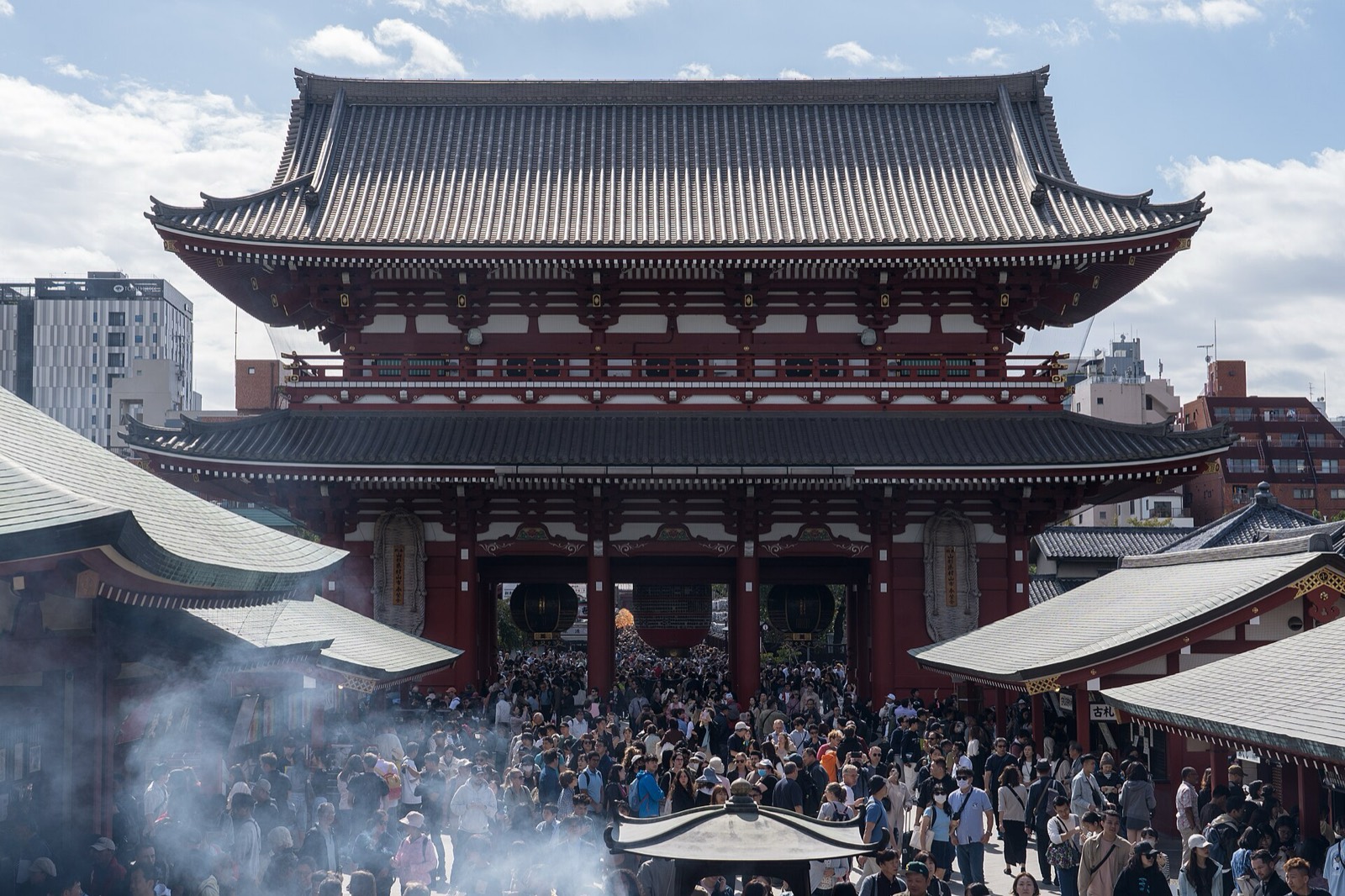
- Asakusa & Sensō-ji — free tourist stamp near Sensō-ji temple grounds, alongside the Tobu/Subway Asakusa station master stamp.
- Tokyo National Museum (Ueno Park) — commemorative visitor stamp in the Honkan main building lobby, plus JR Ueno Station's classic giant panda eki stamp.
- Tokyo Station Character Street — custom character stamps at Studio Ghibli Donguri Republic, Jump Shop, and Sanrio Gift Gate (First Avenue B1).
- Akihabara Electric Town & Kanda Myojin — shrine precinct souvenir stamp at 1,300-year-old Kanda Myojin, plus JR Akihabara Station stamp at the Central ticket gate.
- Tokyo Station — one of the richest single spots in Japan; stamps at Marunouchi underground ticket gates & JR East Travel Service Center.
- JR Chūō-Sōbu Line neighborhood stations — JR Hirai Station (our home base ticket gate), JR Kameido (1 stop), and JR Ryogoku (sumo dohyo design at Edo Noren).
- Tokyo Metro & Toei Subway stations — distinct stamp tables on the Toei Asakusa Line, Tokyo Metro Ginza Line, and Hanzomon Line.
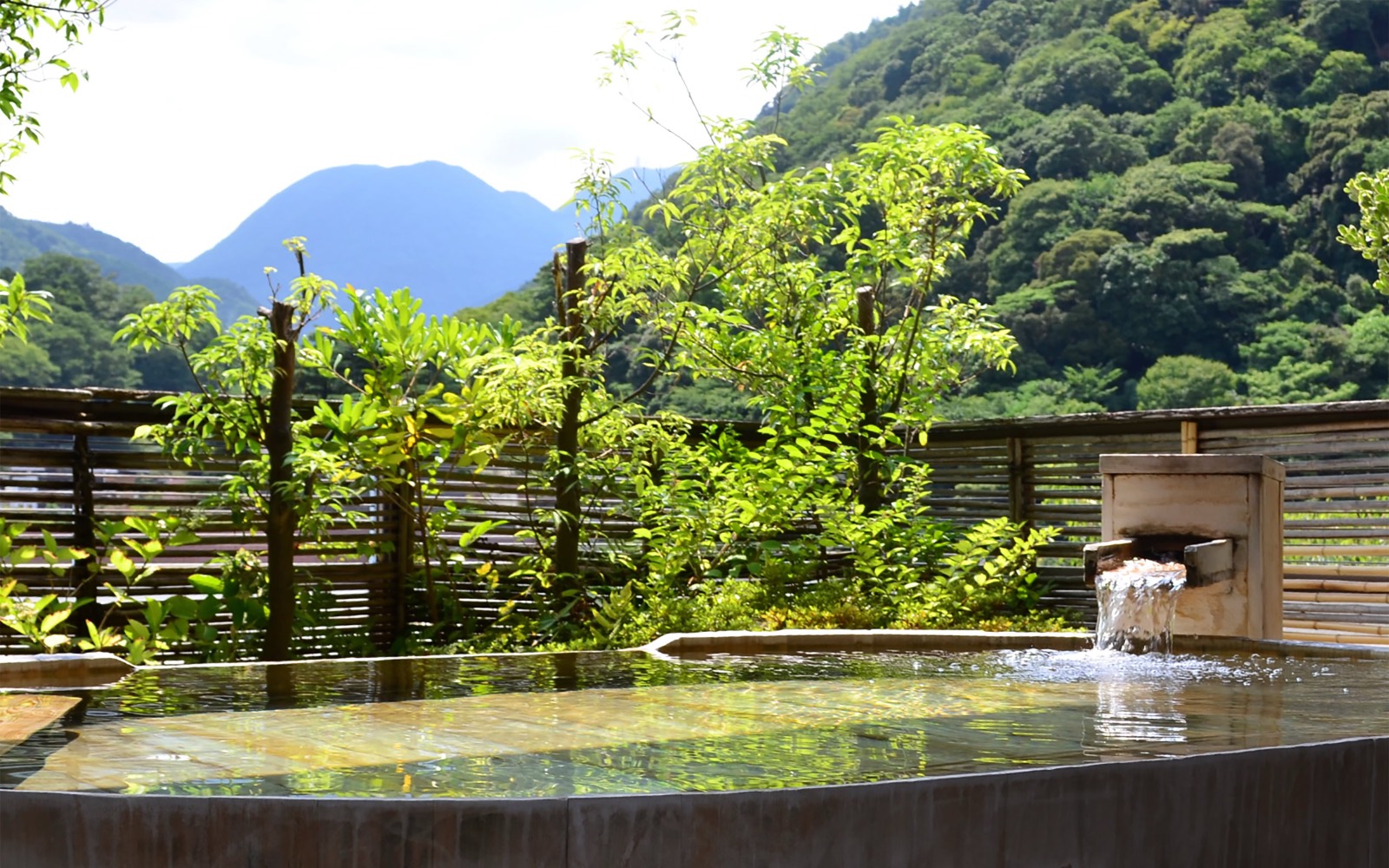
- Owakudani Station (Hakone Ropeway) — iconic volcanic valley black egg (kuro-tamago) and Mount Fuji motif stamp.
- Hakone Sightseeing Cruise — distinct pirate ship stamps at Tōgendai, Moto-Hakone, and Hakone-machi ports.
- Hakone Sekisho (Historic Checkpoint) & Hakone Open-Air Museum — Edo checkpoint barrier seal and sculpture park stamps.
- Hakone-Yumoto — main Odakyu and Hakone Tozan Railway station master stamp.
- Every stop on the Golden Route (Gōra, Sōunzan, Tōgendai) maintains its own transit stamp.
- Odakyu Romancecar platforms at Shinjuku and Odawara have dedicated limited-express stamps.
- Kyoto Railway Museum (Umekoji) — incredible collection of large vintage steam locomotive and Shinkansen stamps.
- Kyoto Tower — observation deck stamp counter overlooking the Kyoto basin (All-Japan Tower Federation).
- Nijō Castle — official 日本100名城 (100 Famous Castles) stamp at the entrance/ticket gate.
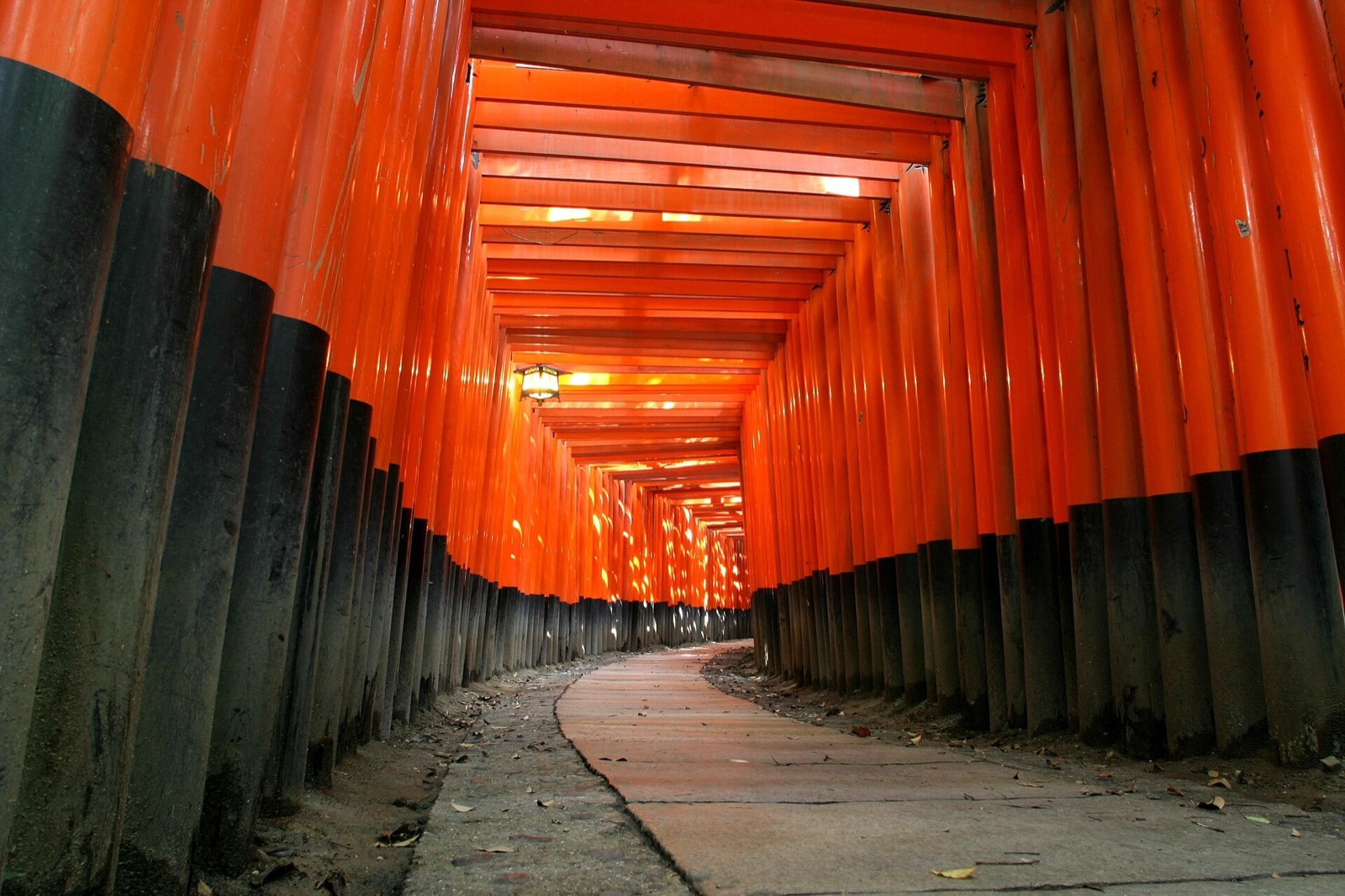
- Fushimi Inari-taisha & Kiyomizu-dera — free self-serve visitor stamps near the entrance (separate from the goshuin desk).
- Kyoto Station — large, high-detail JR West station stamp near the central tourist info center.
- Saga-Arashiyama & Sagano Romantic Scenic Railway stations.
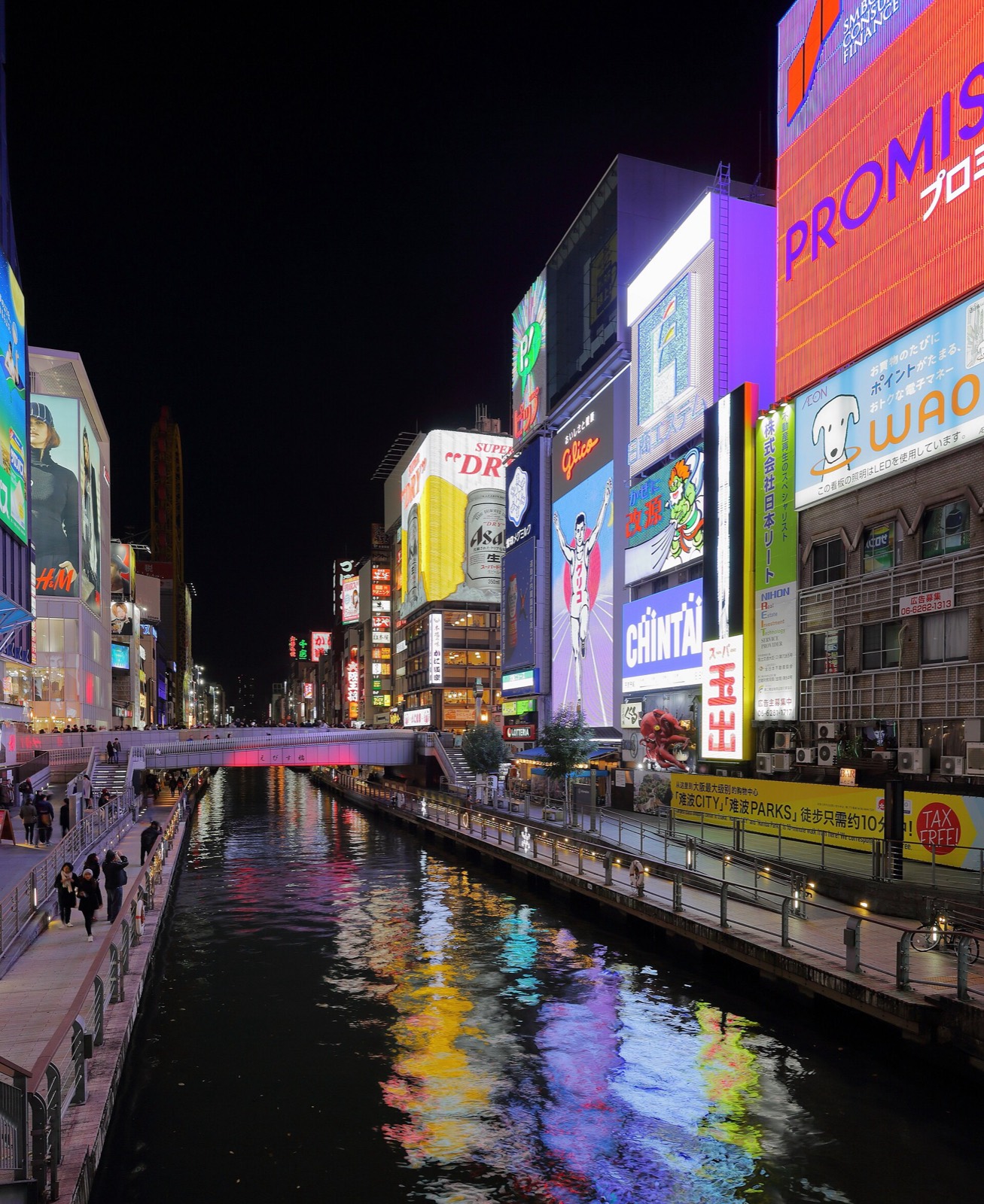
- Osaka Aquarium Kaiyukan — iconic whale shark and ringed seal stamps near the info desk and exit.
- Umeda Sky Building — 40th-floor Floating Garden (Kuchu Teien) observatory stamp (All-Japan Tower Federation).
- Osaka Castle — castle #54 in the Japan 100 Famous Castles rally, located inside the main keep museum.
- Universal Studios Japan (USJ) — in-park guest services and character shop commemorative stamps.
- Pokémon Center Osaka DX & Nintendo Osaka (Daimaru Umeda) — character display and promotional stamps.
- JR Osaka Station and Namba Station — classic Kansai station master stamps.
- Hikone Castle (on the Shinkansen route from Osaka, Oct 19) — authentic original keep, castle #50 in the Japan 100 Famous Castles rally, plus Hikone Station stamp.
- Ginza Itoya (G.Itoya) — 2nd floor 'Write & Post' custom stamps, embossing seals, and multi-floor layered stamp rally (kasane-oshi) · direct 12 min via Toei Asakusa Line from Gotanda.
- SHIBUYA SKY & Shibuya PARCO (6F Cyberspace) — 360° observation deck stamp + official stamps at Pokémon Center Shibuya (Mewtwo display) & Nintendo TOKYO · 4 stops on Yamanote.
- YEBISU BREWERY TOKYO (Ebisu Garden Place) — commemorative visitor stamp at the brand-new taproom and museum celebrating the 1890 birthplace of Yebisu beer · 2 stops on Yamanote.
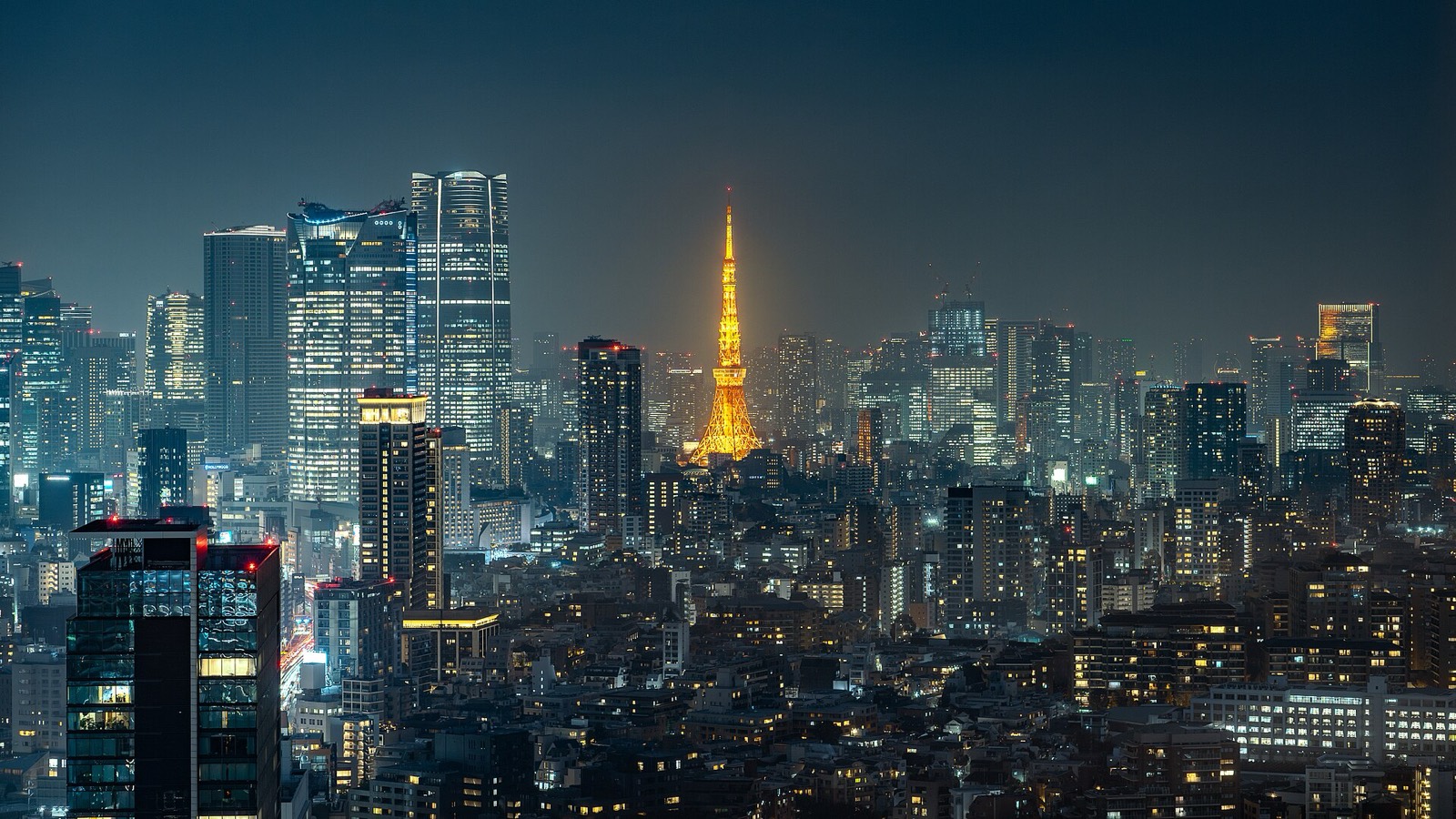
- Tokyo Tower (Minato) — 150m Main Deck observation stamp and FootTown lobby stamps (All-Japan Tower Federation) · quick trip north of Shinagawa.
- Southern JR Yamanote Line & Toei stations — JR Gotanda Station (home base), JR Shinagawa (huge Tokaido Shinkansen concourse stamp), JR Ebisu, and Toei Asakusa Gotanda.
- Airport Departure (Haneda or Narita) — international departure lounges and observation deck terminal commemorative stamps before boarding the flight home to the US.
Details
Practical tips & etiquetteAdvice for the hunt · kit, technique and the goshuin warning
Advice for the hunt
- Essential phrases: if a stamp isn't out in the open, ask 「記念スタンプはありますか?」 (Do you have a commemorative stamp?) or 「駅スタンプはどこですか?」 (Where is the station stamp?).
- Carry a pocket ink pad: heavily visited tourist spots or remote stations can run dry. A small black or vermillion pad (from Loft, Hands, or Daiso) ensures crisp impressions anywhere.
- Check behind the desk: at smaller railway stations, museum desks, and post offices, stamps are often kept behind the counter — staff are always happy to pull it out when asked.
- Operating hours matter: castle gates, museum desks, observation decks, and department stores close with the facility (typically 17:00 to 20:00) — unlike station ticket gates.
- Getting a postal Fūkeiin: affix a ¥85+ postage stamp to your notebook or postcard and ask the clerk: 「風景印を押してください」.
The kit
A stamp book (~¥650 at any big bookstore), and use the loose paper many stamp points keep next to them. Pads dry out — press firmly and hold; don't rock the stamp or it smears. Leave the first page or two blank — some of the best stamps turn up late.
The two types of StampsWhere to find them
In Japan, rubber souvenir stamps come in two main flavors: Eki stamps (駅スタンプ) at railway stations, and Kinen stamps (記念スタンプ) across landmarks, observation towers, department stores, castles, museums, and pop-culture hubs.
- Railway & subway stations — look near ticket gates, the station master's office, or the tourist information center. If it's not out on the stamp table, ask the gate staff — they often keep it right behind the desk.
- Observation decks & towers — Tokyo Skytree, Tokyo Tower, Umeda Sky Building, and Kyoto Tower all feature dedicated observation stamps (and belong to the All-Japan Tower Federation). Skytree even has its own observation post box on Floor 345.
- Historic castles & fortresses — castles have official free rubber stamps from the Japan 100 Famous Castles (日本100名城) rally (like Nijō, Osaka, and Hikone Castle), as well as collectible calligraphy/crest seals called 御城印 (Gojōin) sold at ticket booths for ¥300–500.
- Stationery & department stores — Ginza Itoya features a 2nd-floor 'Write & Post' custom stamp station and multi-color layered stamp rallies (kasane-oshi). Loft, Hands, and Tokyo Station Character Street shops also keep custom character and store stamps.
- Pop culture & theme parks — Pokémon Centers offer promotional stamps and exclusive birthday stamps (with ID). Universal Studios Japan, Ghibli Museum, and Nintendo stores feature distinct visitor stamps.
- Scenic postmarks (風景印 · Fūkeiin) — Japan Post offices carry official scenic postmarks depicting local scenery and landmarks. Hand a postcard or notebook with a ¥85+ stamp to any postal clerk and ask for a 'fūkeiin' for a unique postal keepsake.
Choosing a stamp bookWhat it's called, what size, and what paper
What to search for: "eki stamp book", or in Japanese スタンプ帳 (stamp-chō) or 駅スタンプ帳 (eki stamp-chō). 記念スタンプ帳 works too. Don't search 御朱印帳 — that's the shrine-seal book, a different thing with much thicker accordion-folded paper.
Size: postcard size is the tradition. A5 is the safer buy.
The classic railway stamp books were はがきサイズ — postcard, about 100 × 148 mm, which is A6. Both Tobu Railway and Tokyo Metro issued theirs at that size. It's pocketable and it's what the format grew up around. But stamps aren't standardized, and some are considerably bigger than the pad they're meant for — a large one simply won't fit on an A6 page. If you'd rather never be caught short, buy A5 (148 × 210 mm). It's twice the page for a little more bulk, and it also gives room to write where and when beside each stamp. (A6/postcard size is documented; the 'stamps vary' point is observation, not a published standard.)
Paper: thicker than copier paper, or it will show through.
Station stamp pads are water-based and often over-inked from heavy use, so bleed-through (裏写り) is the standard complaint. Ordinary copier paper is about 70–80 gsm and will ghost onto the next page. Aim for roughly 110–160 gsm — sketchbook or cartridge weight. Much above 200 gsm and the book gets fat and stops closing flat.
Experienced collectors leave alternate pages blank rather than fight it — you lose half the book but never ruin a stamp. Worth doing on the first few until you learn how wet the pads run. Get white or cream paper: one long-running Japanese stamp-book recommendation specifically warns off a yellow-green stock because it wrecks how the stamps look afterwards, especially scanned.
Buying & DIY
Any large Japanese bookshop or stationer sells them for around ¥650 — Loft, Hands and Kinokuniya all carry them, and they're cheap enough to buy a second as a spare. Plenty of station shops sell line-specific ones too, which make decent souvenirs in their own right.
Making your own is entirely reasonable and some collectors prefer it — one well-known Japanese stamp blogger just uses a plain A6 memo pad. If you're binding something: unlined, white, 110–160 gsm, A5 or A6, and something that opens flat. A flat-opening book matters more than people expect, because you press down hard on a stamp and a curved page smears it.
Sources: Japanese stamp-book recommendations (船木屋) · Travel Stamp Book — nationwide stamp catalogue
Goshuin, a different traditionHand-brushed seals
One thing worth knowing: goshuin (御朱印) — the hand-brushed seals at shrines and temples — are a different tradition. They're written for you by hand, usually cost ¥300–500, and by convention go in their own dedicated book (goshuinchō), not mixed in with station stamps. Offering a general stamp booklet at a goshuin desk is a common tourist misstep. If you want those too, buy a goshuinchō at the first big shrine — they make lovely souvenirs in their own right. Many shrines ALSO have a free self-serve stamp near the entrance, which is fair game for the booklet.
Treat that as widely-observed etiquette rather than a posted rule — it's the convention, and following it will never be wrong.